
10 Tagesausflüge ab Siegen mit dem Deutschlandticket
Da unser Semesterticket gleichzeitig auch das „Deutschlandticket“ ist, kann man damit viele schöne Orte in der Umgebung von Siegen mit dem Zug entdecken! Viele Ziele erreicht man ohne Umsteigen oder mit nur einem oder zwei Umstiegen. So kann ma. morgens losfahren, den Ort besichtigen und abends wieder nach Siegen zurückkehren. Wichtig zu wissen ist, dass ihr mit eurem Deutschlandticket nur Regionalzüge nutzen könnt, keine Fernzüge!
Um die Verbindungen zu recherchieren, empfehle ich euch, die App „DB Navigator“ herunterzuladen, mit der ihr nach Zugverbindungen suchen könnt. In den Einstellungen könnt ihr die Sprache auf Englisch umstellen! Ihr könnt ein Kästchen ankreuzen, damit nur Verbindungen mit dem Deutschlandticket angezeigt werden! Außerdem könnt ihr sehen, ob euer Zug Verspätung hat oder ausfällt. Das ist sehr hilfreich, denn bei der Deutschen Bahn kommt das manchmal vor. 🙁
Trotzdem ist das Reisen mit dem Zug eine tolle Möglichkeit, die Umgebung von Siegen zu entdecken! Oft führen die Bahnstrecken durch wirklich wunderschöne Natur, und es kann sich schon wie ein Abenteuer anfühlen, einfach nur im Zug zu sitzen und aus dem Fenster zu schauen.
Hier sind meine Tipps, welche Ausflugsziele einen Besuch wert sind und wohin man an einem einzigen Tag hin- und zurückfahren kann
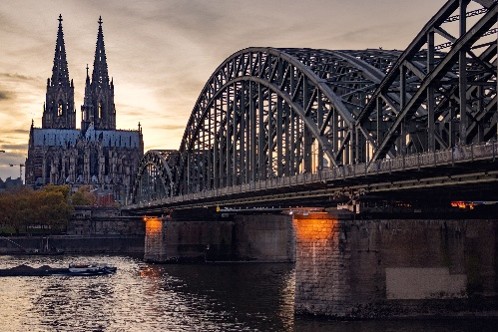
01. Köln
Köln ist berühmt für seinen atemberaubenden gotischen Dom, eines der bekanntesten Wahrzeichen Deutschlands und UNESCO-Weltkulturerbe. Schlendert durch die charmante Altstadt, spaziert am Rhein entlang oder kehrt in eines der vielen Cafés und Museen der Stadt ein.
Anreise: Nehmt den RE9 von Siegen HBF nach Köln HBF (Hauptbahnhof). Der Zug fährt stündlich, jeweils 9 Minuten nach jeder vollen Stunde.
02. Bonn
Bonn, einst Hauptstadt der Bundesrepublik Deutschland, ist eine entspannte Stadt am Rhein und der Geburtsort von Ludwig van Beethoven. Erkunden Sie die historische Innenstadt, genießen Sie einen Spaziergang am Rhein oder besuchen Sie eines der hervorragenden Museen auf der Museumsmeile.
Anreise: Nehmt den RE9 von Siegen Hbf nach Siegburg/Bonn. Steigt dort in die Straßenbahn STR66 um und fahrt bis zum Bonner Hauptbahnhof.
03. Marburg
Marburg ist eine malerische Universitätsstadt, bekannt für ihre märchenhafte Atmosphäre, ihre bunten Fachwerkhäuser und ihr Schloss auf dem Hügel. Schlendert durch die engen Kopfsteinpflastergassen und genießt atemberaubende Ausblicke über die Altstadt.
Anreise: Nehmt den Zug RE99 vom Hauptbahnhof Siegen nach Gießen. Steigt dort in den RE30 nach Kassel um. Steigt in Marburg (Lahn) aus.
04. Frankfurt
Frankfurt verbindet moderne Wolkenkratzer mit einer charmanten Altstadt und ist damit eine der einzigartigsten Städte Deutschlands. Besucht den Römer, spaziert am Main entlang und genießt die beeindruckende Skyline von einem der Aussichtspunkte der Stadt aus.
Anreise: Nehmt den Zug RE99 von Siegen HBF nach Frankfurt HBF. Der Zug fährt alle zwei Stunden!
05. Winterberg
Winterberg ist das ganze Jahr über ein beliebtes Reiseziel für Outdoor-Fans und bietet im Sommer Wanderwege und im Winter Skifahren. Egal, ob ihr die Natur genießen oder einfach nur einen Tag lang dem Stadttrubel entfliehen möchtet – Winterberg ist die perfekte Wahl.
Anreise: Es gibt mehrere Möglichkeiten. Schaut am besten in der App „DB Navigator“ nach, welche am besten geeignet ist. Das hängt möglicherweise davon ab, ob ihr lieber mit dem Bus oder mit dem Zug fahren möchtet.
06. Biggesee
Der Biggesee ist einer der schönsten Seen in Nordrhein-Westfalen und ein ideales Ziel für einen entspannten Tag in der Natur. Macht einen Spaziergang am Seeufer, mietet euch ein Boot oder genießt einfach ein Picknick mit malerischem Blick auf das Wasser.
Anreise: Nehmt den Bus SB1 vom ZOB Siegen zum ZOB Olpe. Steigt dort in den Zug RB92 (derzeit durch Busse ersetzt) nach Finnentrop um und steigt zum Beispiel an der Haltestelle „Sondern“ aus. Dort kann man schwimmen gehen, eine kleine Wanderung unternehmen oder ein Eis genießen.
07. Freudenberg
Freudenberg ist vor allem für seinen berühmten „Alten Flecken“ bekannt, ein wunderschön erhaltenes Ensemble aus schwarz-weißen Fachwerkhäusern. Obwohl es sich um eine kleine Stadt handelt, machen ihre postkartenreifen Gassen sie zu einem der reizvollsten Orte in der Nähe von Siegen.
Anfahrt: Es gibt mehrere Busverbindungen vom ZOB Siegen. Steigt am besten an der Haltestelle „Freudenberg Bahnhofsstraße“ aus.
08. Königswinter (Drachenfels)
In Königswinter befindet sich der legendäre Drachenfels, einer der berühmtesten Hügel am Rhein. Wandert entweder bis zum Gipfel oder fahrt mit der historischen Zahnradbahn hinauf, um den Panoramablick zu genießen und das beeindruckende Schloss Drachenburg zu besuchen.
Anreise: Es gibt mehrere Möglichkeiten – sucht auf Google Maps oder im DB Navigator nach der am besten geeigneten Route!
09. Limburg an der Lahn
Limburg ist eine charmante mittelalterliche Stadt, die für ihre beeindruckende Kathedrale mit Blick auf die Lahn bekannt ist. Die wunderschön erhaltene Altstadt ist voller farbenfroher Fachwerkhäuser, Cafés und kleiner Boutiquen.
Anreise: Nehmt zunächst die RE99 nach Frankfurt und steigt in Wetzlar aus. Steigt dann in die RB45 nach Limburg um!
10. Dortmund
Dortmund ist vor allem für den Fußball bekannt und Heimat des legendären BVB sowie des Signal Iduna Parks. Abgesehen davon kannst du am Phoenixsee entspannen, das Deutsche Fußballmuseum besuchen oder die grünen Parks der Stadt erkunden.
Anreise: Nimm einfach den RE34 nach Dortmund ab Siegen oder Weidenau ZOB. Er fährt alle 1–2 Stunden.
Wichtige Information: Derzeit finden umfangreiche Bauarbeiten an den Bahnstrecken statt. In diesem Fall werden einige Züge möglicherweise durch Busse ersetzt. Man kann das im DB-Navigator nachsehen.
Ich wünsche euch viel Spaß beim Erkunden der Umgebung von Siegen!!
Eure SLR-Host Alessa